
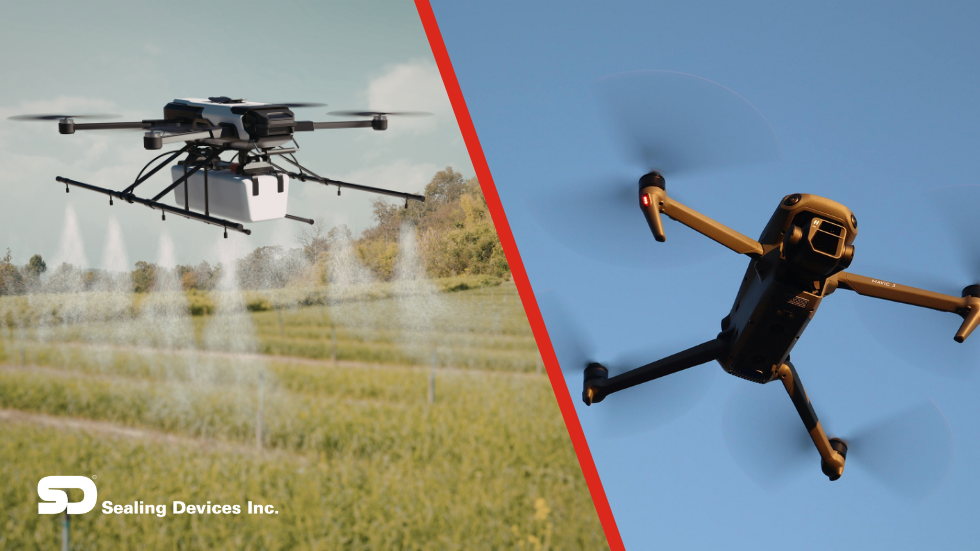
Unmanned aerial vehicles (UAVs) operate in conditions that are rarely simple. They may face vibration, temperature swings, moisture, dust, altitude changes, and tight packaging constraints, all while protecting sensitive onboard electronics and maintaining reliable performance.
That makes sealing strategy an important part of UAV design.
While attention often goes to batteries, sensors, payloads, propulsion, and communications, the materials that protect and support those systems are just as important. Gaskets, seals, vents, thermal materials, and shielding products all contribute to platform durability and system performance.
Here are some of the most common sealing-related challenges UAV teams face and how Sealing Devices can help.
1. Protecting electronics from dust and moisture
Many UAVs operate outdoors in unpredictable environments. Rain, humidity, dust, and debris can all threaten electronic assemblies and enclosures. If ingress protection is not considered early, reliability problems can show up quickly.
Sealing Devices helps customers identify gasket, seal, foam, and venting solutions that support enclosure protection without overcomplicating the design.

2. Managing pressure differentials in sealed enclosures
As UAVs climb, descend, heat up, cool down, and move through changing environments, pressure differentials can build inside housings. That can stress seals and enclosures over time.
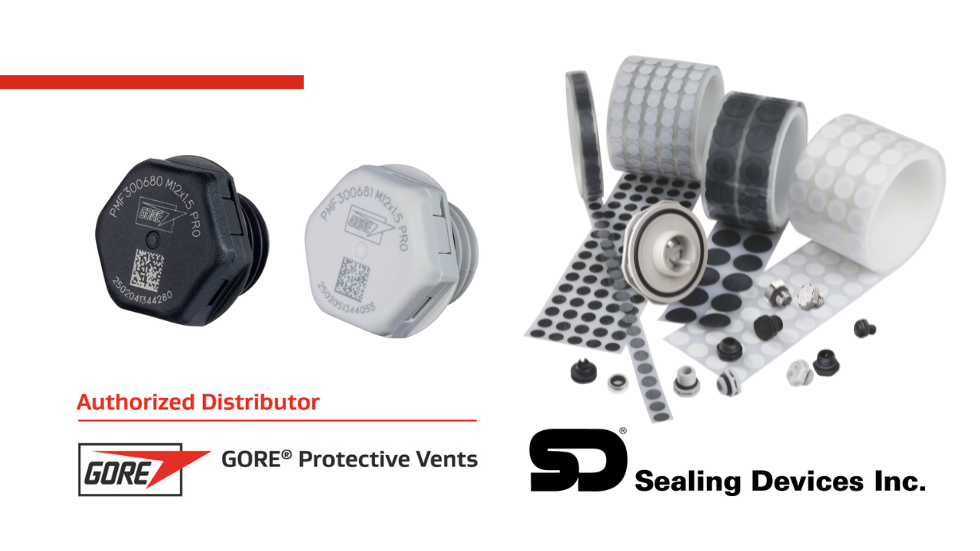
Protective venting solutions can help equalize pressure while still protecting against contaminants. This is especially important in UAV systems containing electronics, sensors, and enclosed assemblies.
3. Reducing vibration-related sealing failures
UAVs experience constant vibration from motors, propulsion systems, launch conditions, and operational movement. Over time, vibration can affect component fit, sealing integrity, and material performance.
The right material choice matters. Sealing Devices helps customers evaluate materials based on compression, resilience, environmental conditions, and long-term fit within the application.

4. Addressing EMI and thermal concerns in compact systems
As UAV designs become more sophisticated, packaging gets tighter and electronics become more critical. That creates added pressure around electromagnetic interference and heat buildup.
Sealing Devices supports UAV teams with EMI shielding and thermal management materials that help protect sensitive systems and improve performance in compact assemblies.

5. Moving from prototype to production
What works in an early build may not be the best choice for scaled production. Material availability, manufacturability, repeatability, and assembly efficiency all become more important as programs mature.
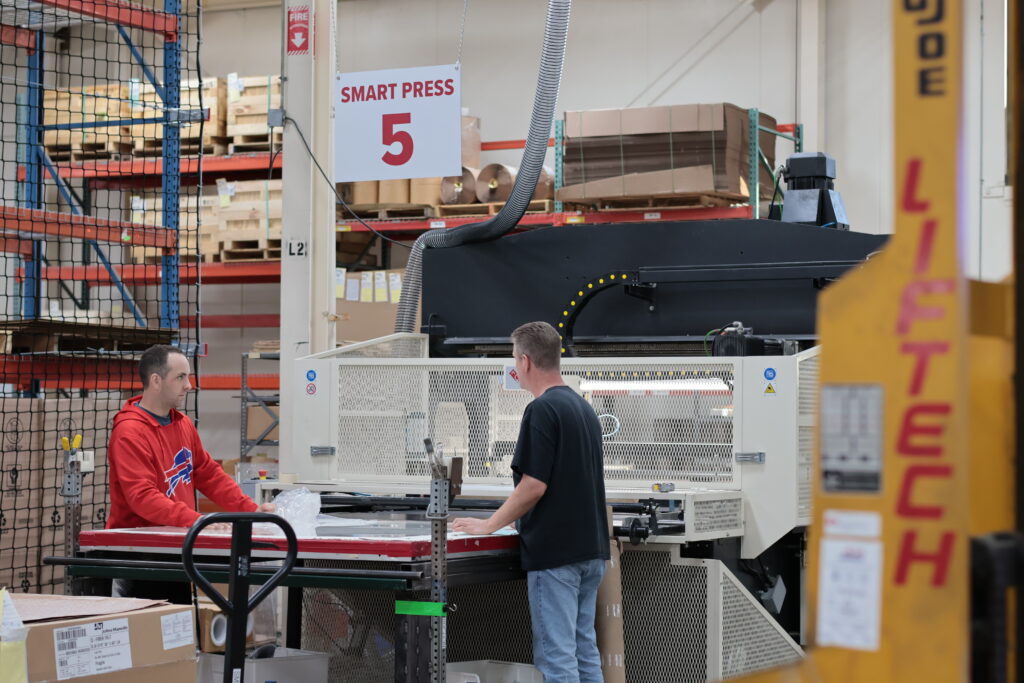
Sealing Devices helps bridge that gap by supporting prototyping and production with custom-fabricated solutions, converting capabilities, and a practical understanding of how parts will function in real-world manufacturing.
A smarter path forward for UAV teams
UAV success depends on more than innovative design. It also depends on protecting the systems that make flight, communication, sensing, and control possible.
Sealing Devices helps UAV customers solve sealing-related challenges with a combination of technical support, broad material access, and custom solution development. That means less guesswork, fewer compromises, and better support across the life of a project.