Designing More Reliable UAVs and Drones: Sealing, Venting, EMI, and Thermal Considerations
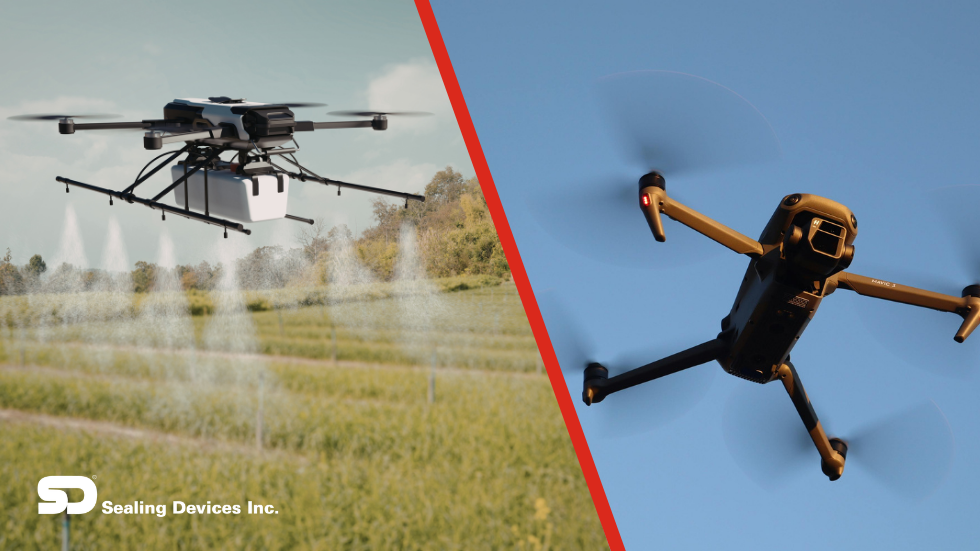
Unmanned aerial vehicles (UAVs), or drones, are being deployed across a growing range of military and commercial applications. From tactical defense programs and surveillance platforms to inspection, mapping, agriculture, and public safety, UAV systems are being asked to do more in increasingly demanding environments.
As these platforms evolve, so do the material and design challenges behind them. Engineers are often focused on batteries, sensors, payloads, propulsion, and communications, but the materials that protect and support those systems are just as important.
Seals, gaskets, vents, vibration-management materials, EMI shielding, and thermal interface solutions all play a role in helping UAVs perform reliably in the field.
That makes sealing and material strategy an important part of UAV and drone design.
Military and commercial UAVs share some challenges, but not all priorities
Many of the same design concerns apply across military and commercial drone platforms, including environmental exposure, vibration, lightweighting, and protection of sensitive electronics. But priorities can vary depending on the mission.
Military UAVs may place greater emphasis on ruggedization, mission reliability, environmental sealing, EMI protection, and performance in demanding field conditions. Commercial drones often focus on weather resistance, weight reduction, uptime, compact electronics protection, and repeatable performance across applications like inspection, mapping, security, and agriculture.
In both cases, material selection matters early. The right combination of sealing, venting, thermal management, and shielding can help reduce risk, improve reliability, and support smoother development from prototype to production.
1. Protecting electronics from dust and moisture
Many UAVs and drones operate outdoors in unpredictable environments. Rain, humidity, dust, and debris can all threaten electronic assemblies and enclosures. If ingress protection is not considered early, reliability problems can show up quickly.
Sealing Devices helps customers evaluate gasket, seal, foam, and venting solutions that support enclosure protection without adding unnecessary complexity, weight, or assembly challenges.
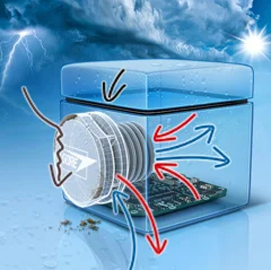
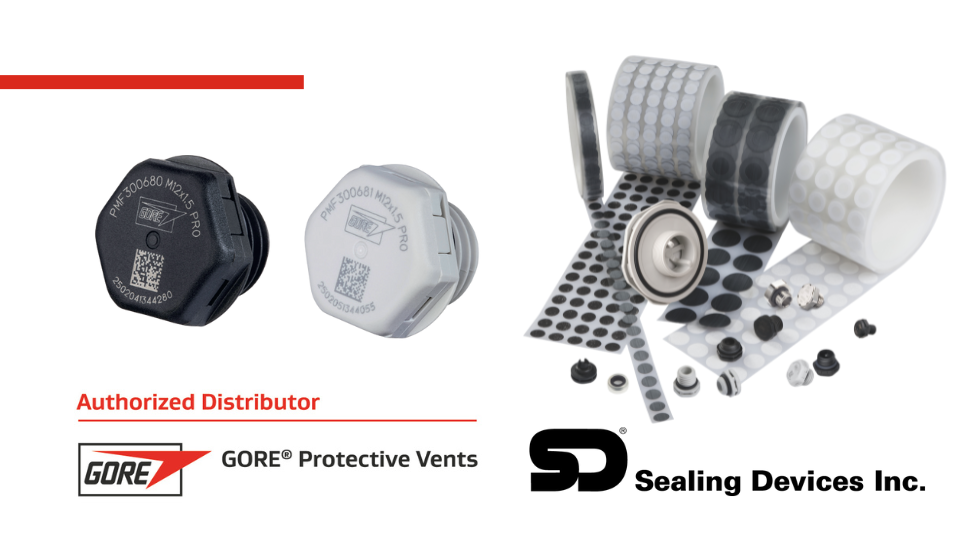
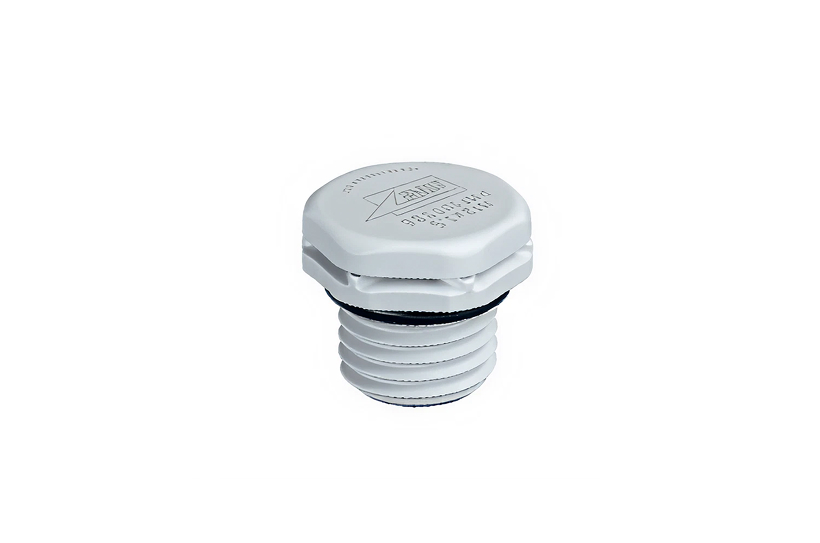
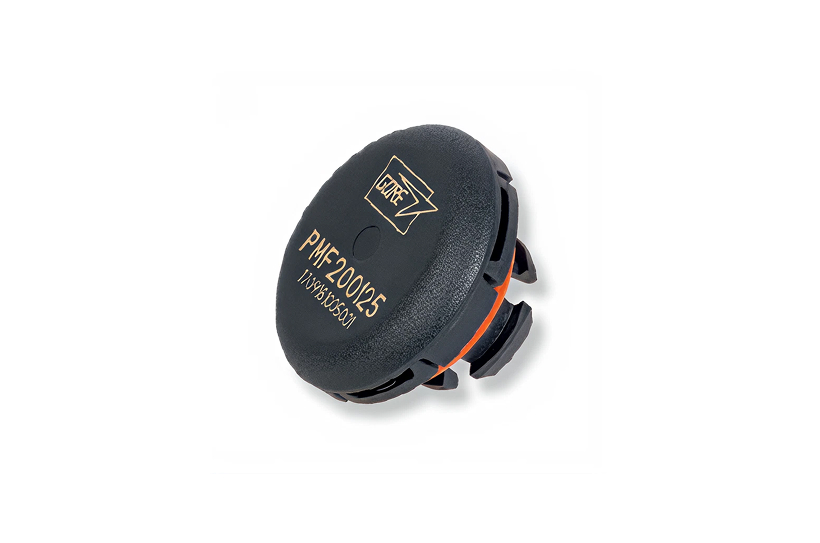
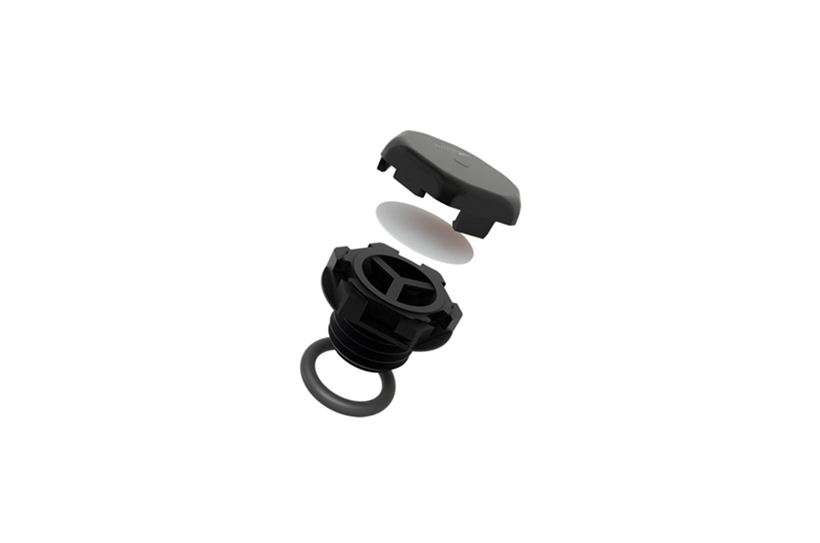
Protective venting can be especially valuable in electronics housings where designers need to manage both contaminant protection and pressure equalization. Gore vents offer the opportunity to reduce enclosure wall thickness and seal size while maintaining a high level of ingress protection, which can be especially relevant in lightweight drone designs.
2. Managing pressure differentials in sealed enclosures
As UAVs climb, descend, heat up, cool down, and move through changing environments, pressure differentials can build inside sealed housings. Over time, that can stress seals, contribute to condensation, and affect enclosure performance.
Protective venting solutions can help equalize pressure while still protecting against contaminants. This is especially important in UAV systems containing electronics, sensors, and enclosed assemblies where moisture and pressure changes can compromise long-term reliability.
3. Reducing vibration-related sealing failures
UAVs experience constant vibration from motors, propulsion systems, launch conditions, and operational movement. Over time, vibration can affect sealing integrity, component fit, sensor stability, and overall material performance.
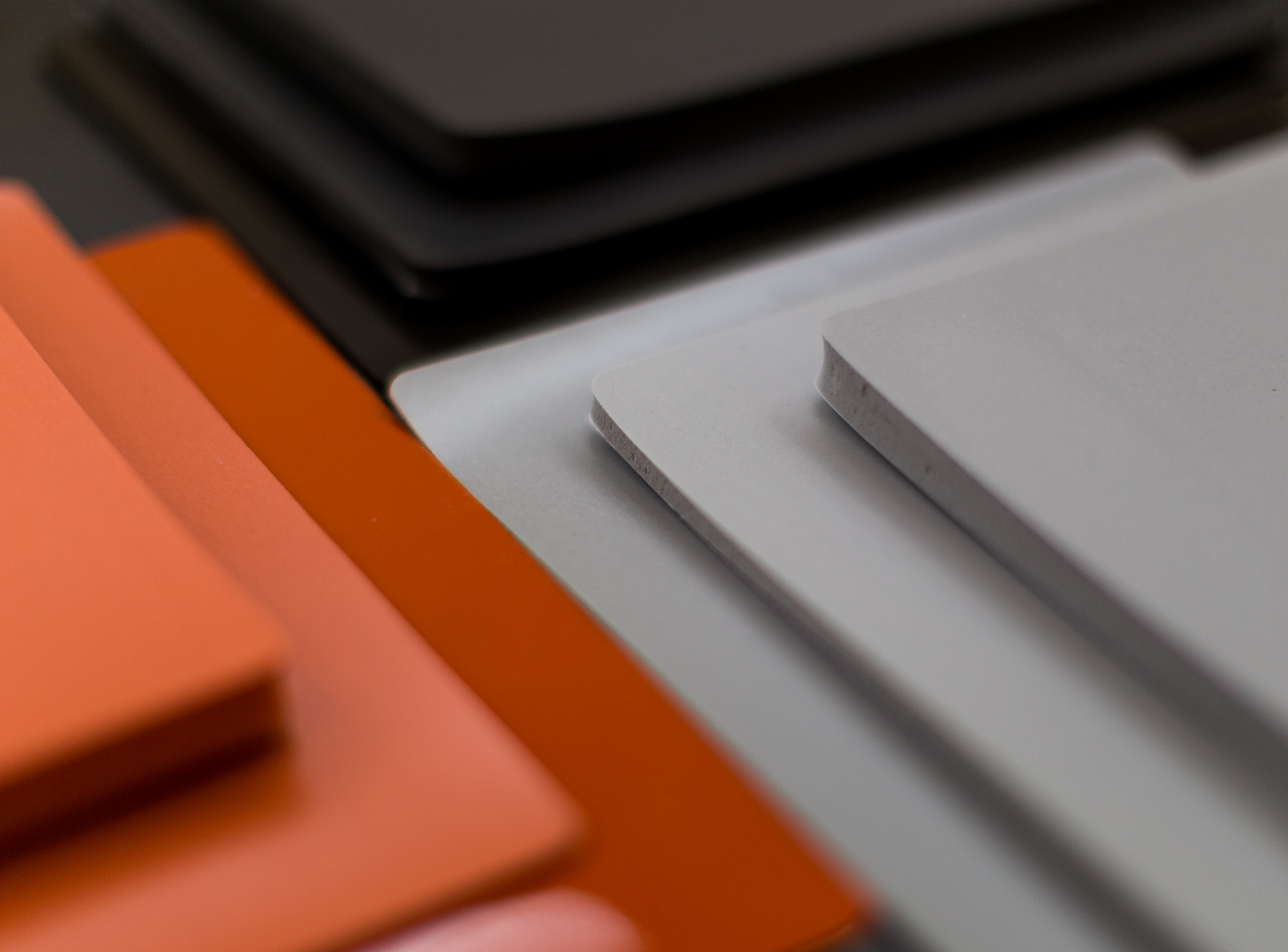
That means the right material choice matters. Engineers may need to think beyond basic sealing and consider compression set, resilience, shock absorption, and long-term behavior under repeated vibration and changing environmental conditions.
Sealing Devices helps customers evaluate material options based on application conditions, performance requirements, and manufacturability so the material choice supports both design intent and real-world use.

4. Addressing EMI and thermal concerns in compact systems
As UAV designs become more sophisticated, packaging gets tighter and electronics become more critical. That creates added pressure around electromagnetic interference, heat buildup, and overall system reliability.
Sealing Devices supports UAV teams with EMI shielding and thermal management materials that help protect sensitive systems, improve thermal performance, and support reliable operation in compact assemblies. This is particularly relevant for applications involving communications, navigation, sensing, and onboard processing where performance can be affected by both thermal load and interference.
>>RELATED: EMI Shielding Fundamentals: Essential Guide for Buyers and Engineers
5. Balancing lightweighting with long-term reliability
Weight optimization is a major concern in UAV design because every gram can affect endurance, maneuverability, payload capacity, and overall system efficiency.
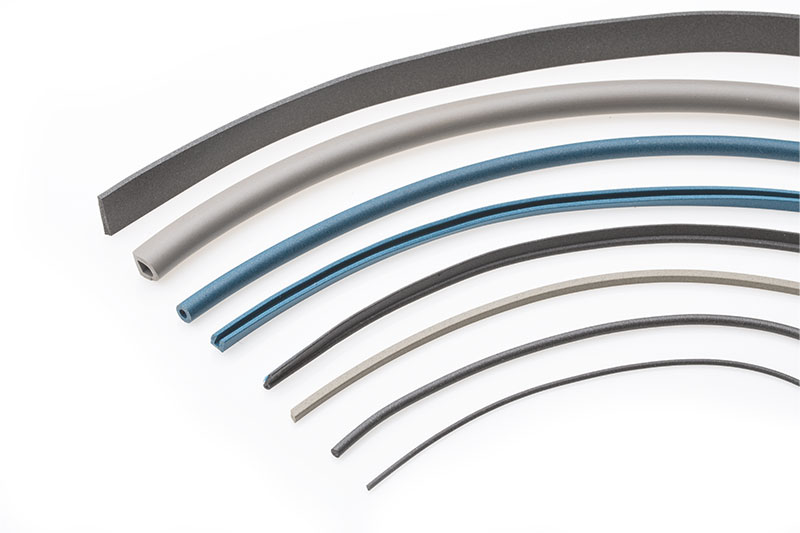
But lightweighting cannot come at the expense of protection or durability. Materials still need to maintain sealing integrity, cushioning performance, and thermal stability across vibration, altitude changes, and changing environmental conditions.
Identifying weight optimization while also emphasizing environmental sealing, thermal and altitude cycling, and vibration control, is a key UAV engineering challenge.
This is an area where early engineering support matters. Sealing Devices can help teams evaluate options that support both performance goals and practical manufacturing considerations, rather than forcing a tradeoff between lighter weight and reliable protection.
>>RELATED: Our Capabilities: Application Engineering, Fabrication, Converting & More
5. Moving from prototype to production
What works in an early build may not be the best choice for scaled production. As programs mature, material availability, manufacturability, repeatability, and assembly efficiency all become more important.
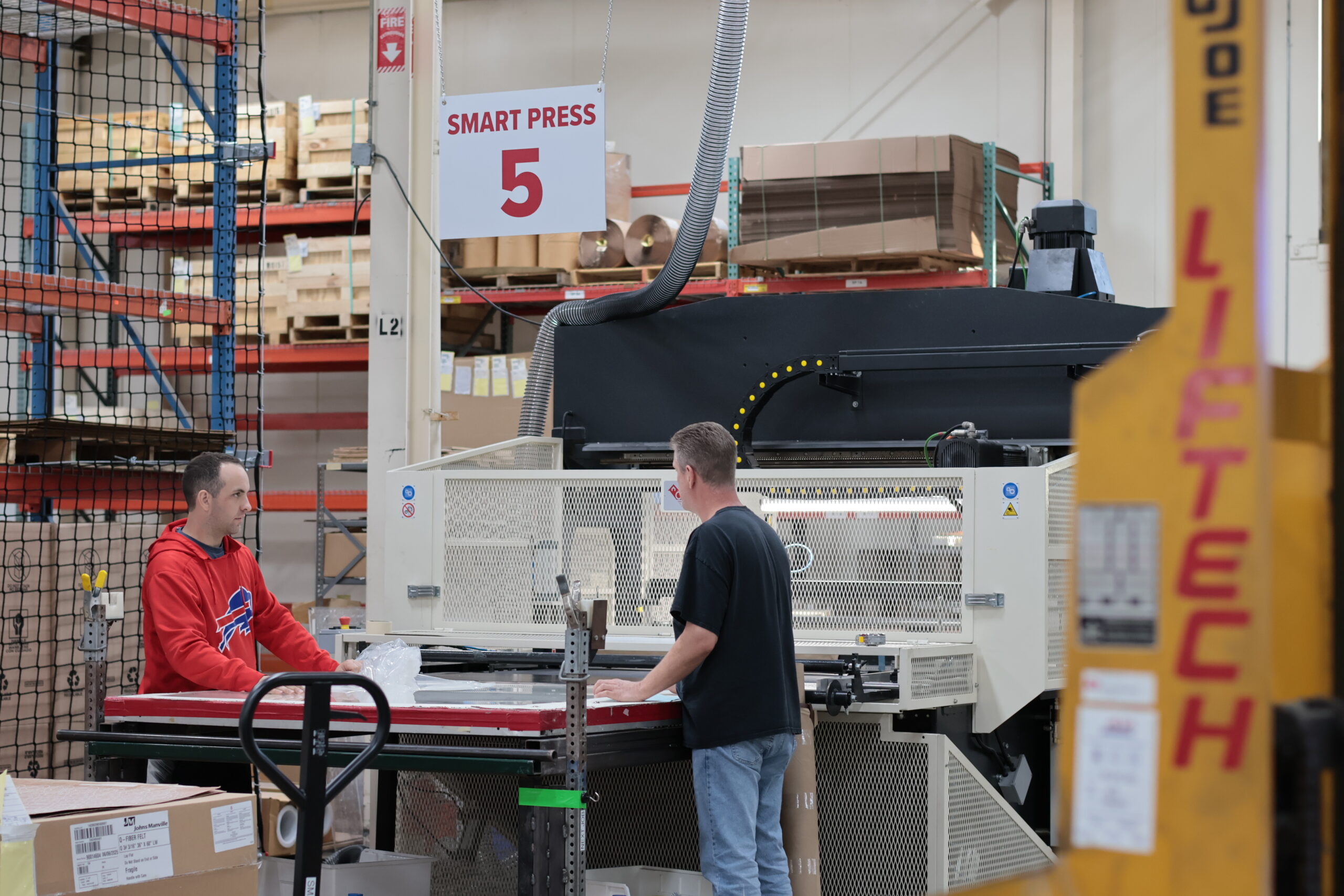
This is where Sealing Devices can bring additional value. Beyond helping identify candidate materials, we support customers with Applications Engineering insight, converting and fabrication capabilities, and practical guidance on how a sealing or material choice will perform in real-world manufacturing.
That support can help teams move from prototype to production with fewer surprises and a more repeatable path forward.
A smarter approach to UAV and drone material selection
UAV success depends on more than innovative electronics, sensors, and payload design. It also depends on protecting the systems that make flight, communication, sensing, and control possible.
Sealing Devices helps customers address sealing, venting, vibration, EMI, and thermal challenges with a combination of Applications Engineering support, broad material access, and converting and fabrication capabilities. That gives teams a more practical path from concept through production.
Need help evaluating vents, gaskets, EMI shielding, or thermal materials for a UAV or drone application?
Related Products
We have the inventory to provide the right solution for your needs, no matter the application. Explore our industry-leading seal and gasket solutions to find the ideal product for you.
Related Industries
Sealing Devices proudly supports a wide range of critical industries. We keep the world safe and running smoothly with products designed to solve complex challenges.


Related Resources
Explore our guides, blogs, and more to learn more about our industry-leading sealing solutions.

Start the Conversation