Radial Shaft Seals
Seals
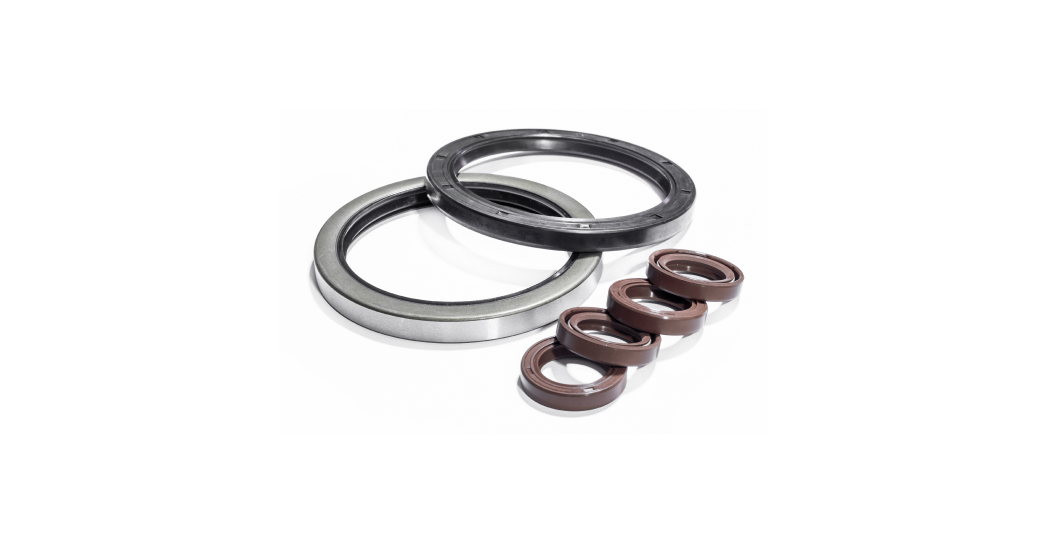
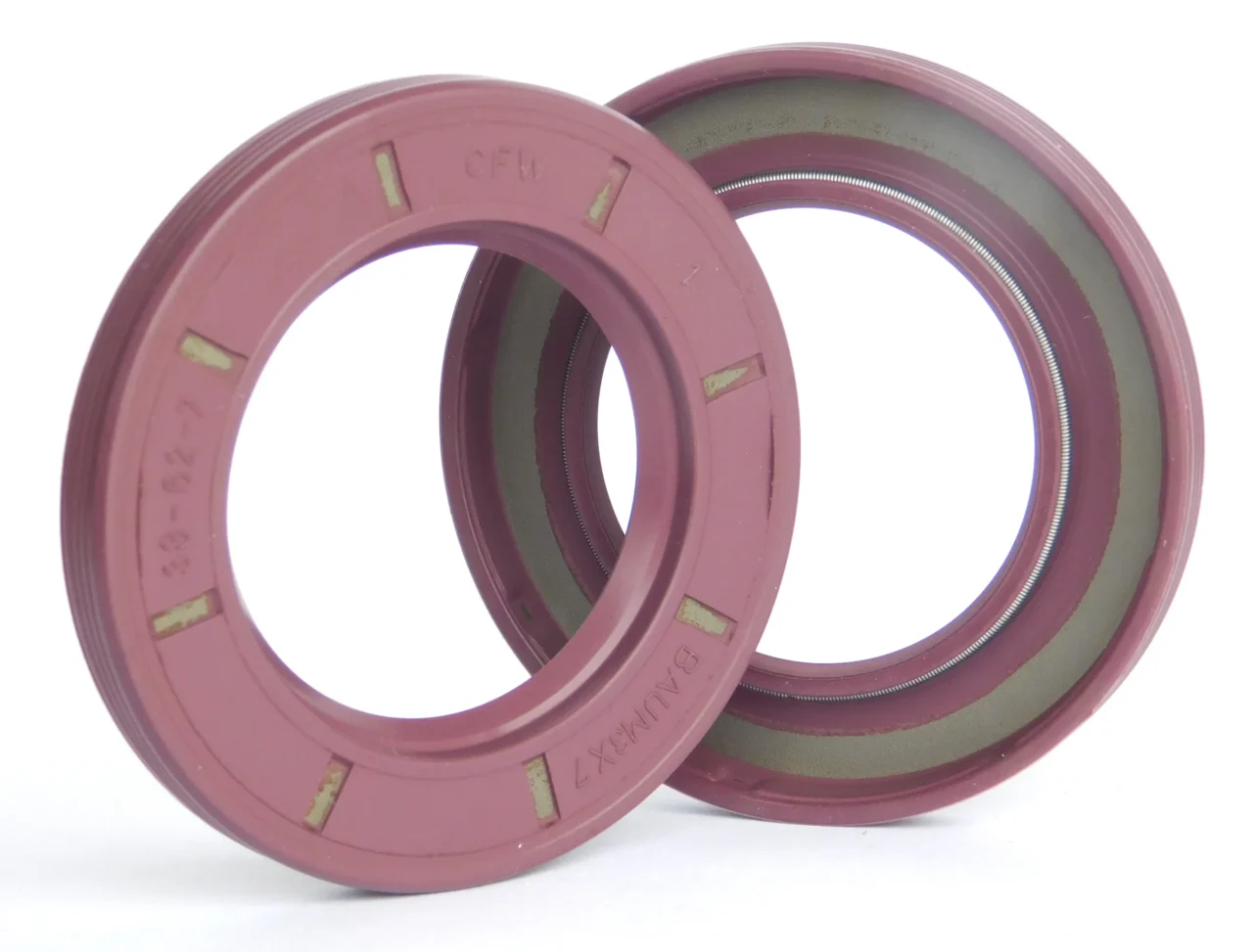
Radial shaft seals, often referred to as oil seals, are essential for sealing rotating machine elements. They function by closing the gap between rotating and non-rotating parts, preventing leakage of fluids while keeping contaminants out of the system.
By retaining fluids and preventing external contaminants, radial shaft seals protect vital components, enhancing the efficiency and longevity of machinery.
Our Trusted Suppliers
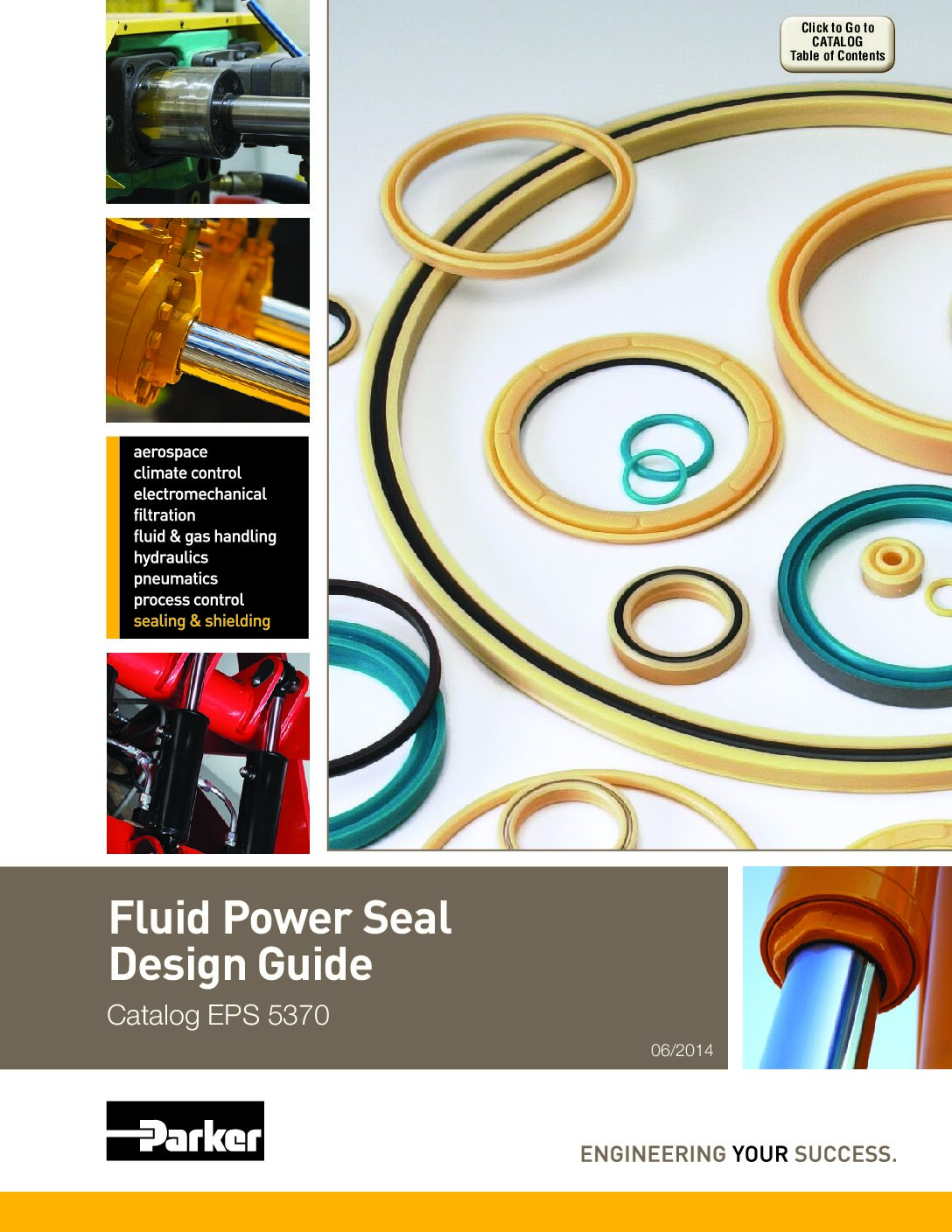
We partner with leading manufacturers like Parker, Freudenberg, JM Clipper, and Trelleborg to deliver the highest-quality and most reliable radial shaft seals.










Design Specifics
Radial shaft seals sit between rotating and non-rotating mechanical components, creating a complete seal, often to keep fluids on one side free from leakage or contamination. Common materials include nitrile butadiene rubber (NBR or Buna-N), fluoroelastomer (FKM), polytetrafluoroethylene (PTFE), and silicone (VMQ), which have varying temperature resistance but all stand up to pressure changes and motion while reducing friction.
Oil seals come in four main types: rubber-cased, metal-cased, premium sine seal (PSS), and cassette seals. All have unique designs and strengths, making them ideal for varying use cases.
How Oil Seals Work
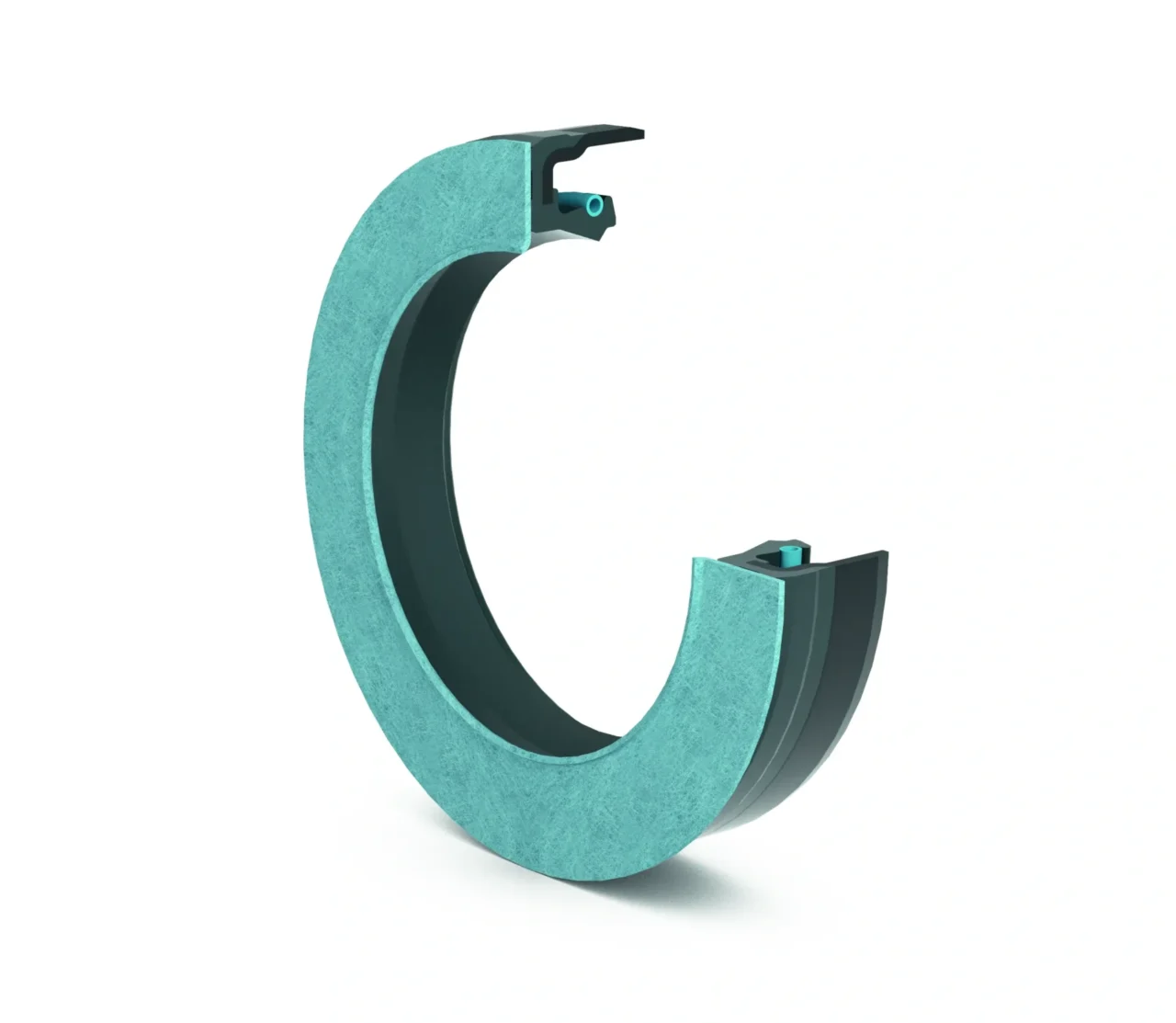
Radial shaft seals feature a unique design that maintains sealing integrity under both static and dynamic conditions, which is critical for long-term reliability. This combination helps them excel in environments with high pressures, extreme temperatures, and exposure to aggressive fluids.
Related Industries
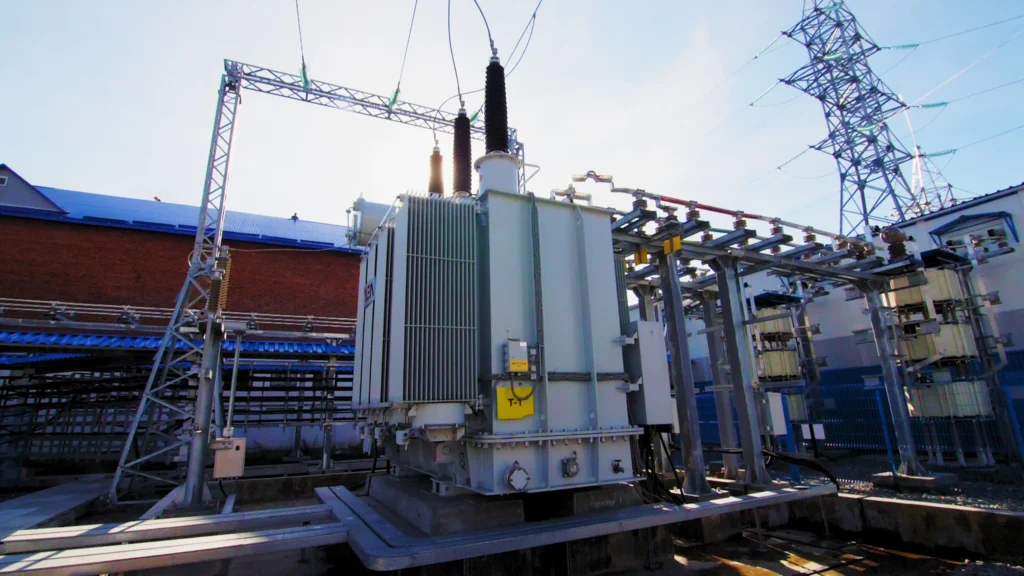
Our sealing solutions provide unmatched performance across various applications.


Products Bought with Radial Shaft Seals
Radial shaft seals are often used in fluid sealing applications in hydraulic systems, pumps, gearboxes, automotive engines, and electric motors.
-
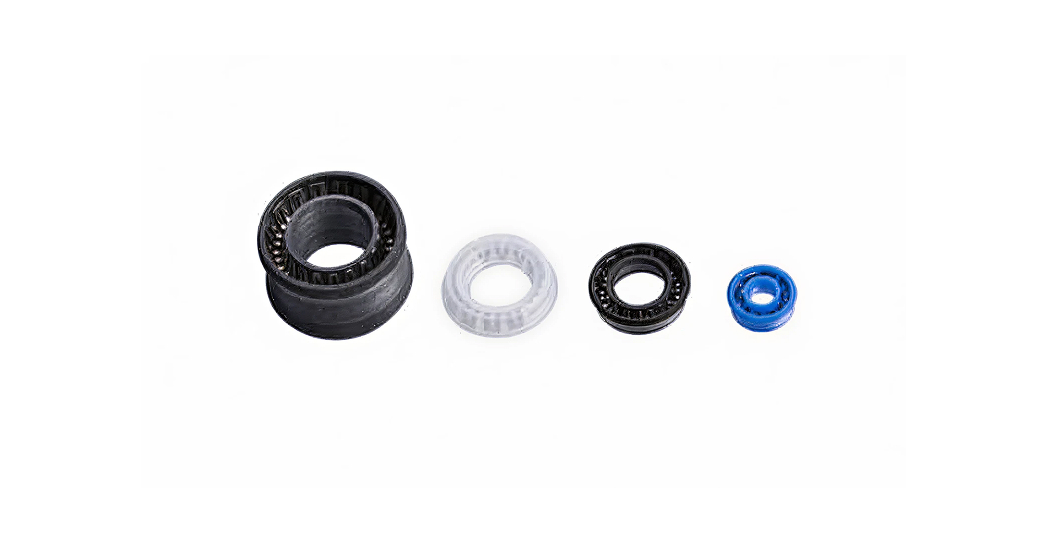
Spring Energized Seals
Spring-energized seals offer an optimal balance between durability, versatility, and performance for sealing applications in extreme conditions.
Product Details -
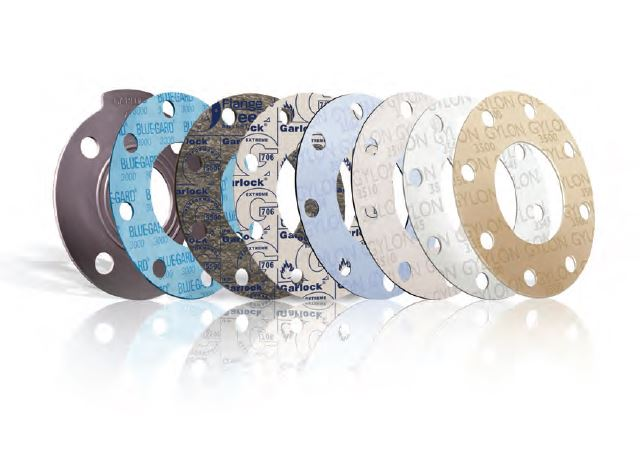
Compressed Sheet Gaskets
Compressed sheet gasket materials provide outstanding die-cut gaskets for superior sealing.
Product Details
Related Resources
Explore our guides, blogs, and more to learn more about our industry-leading sealing solutions.


Why Choose Sealing Devices for Radial Shaft Seals?
At Sealing Devices, we take pride in offering more than just premium radial shaft seals — we provide expert guidance and support every step of the way.
-
Commitment To Quality: Our rigorous quality control processes ensure our oil seals meet the highest standards. Our ISO 9001:2015 and AS9100D certifications reflect this commitment to excellence.
-
Unmatched Supplier Partnerships: We proudly partner with some of the largest seal and gasket manufacturers in the world to provide the most reliable and advanced radial shaft sealing solutions to meet our customers’ diverse needs.
-
Wide Range of Materials: Sealing Devices offers radial shaft seals in a diverse range of materials, including silicone, nitrile butadiene rubber, and fluoroelastomer.
-
Expert Guidance and Support: Our skilled applications engineers provide customized design guidance and comprehensive material testing to ensure our oil seals meet your specific requirements.
-
Ease of Sizing and Selection: We can provide radial shaft seals in multiple configurations and sizes and can tailor customized solutions to your exact specifications to work in the most specialized applications.
Start the Conversation